What to Watch For While Your Team Is on Vacation
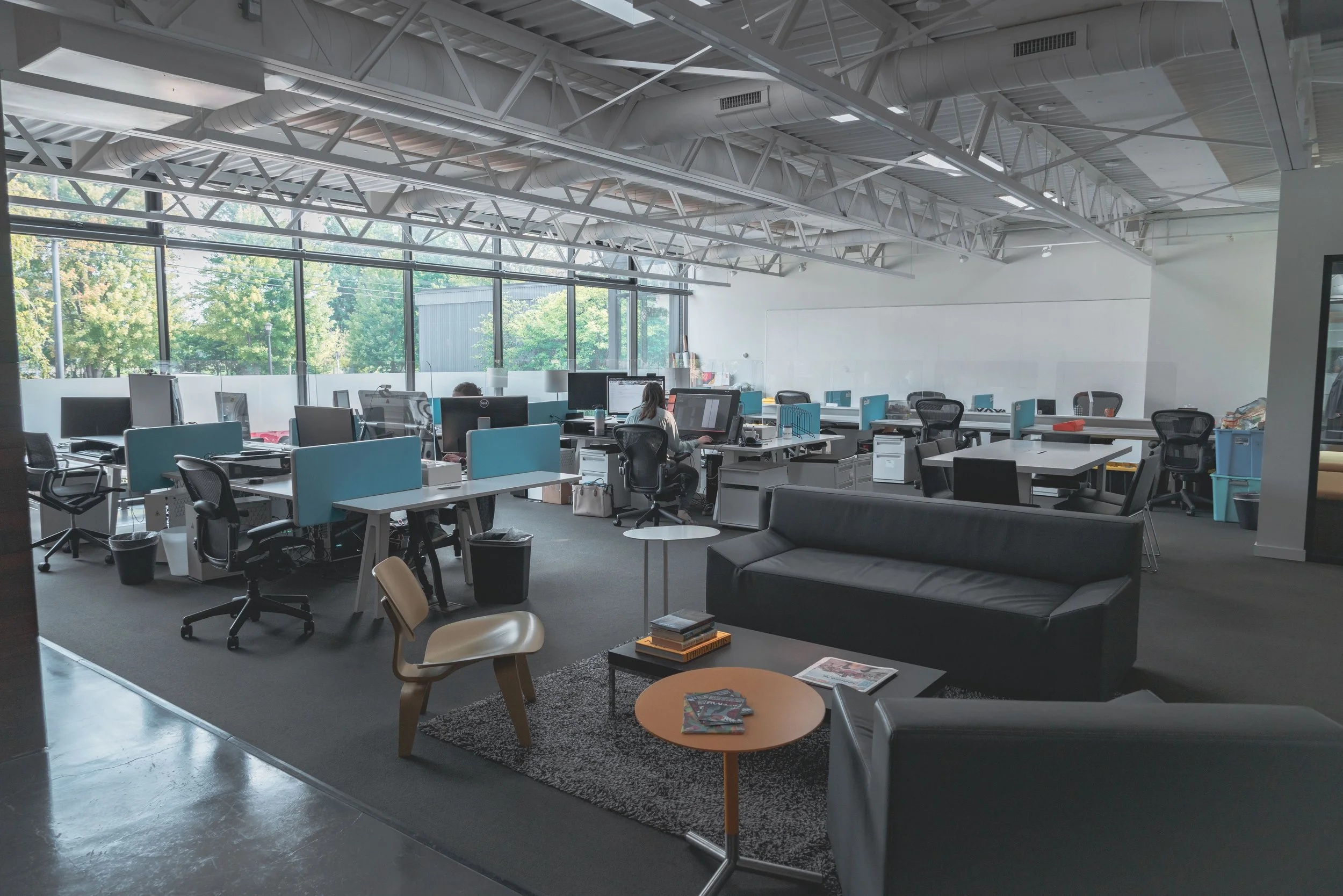
There is a particular calm that settles over an office when most of the team is away. Phones go quiet, inboxes slow down, and the usual hum of activity fades. It feels like a moment to relax. For your technology and the people who would target it, however, that quiet is anything but restful. A half-empty office is one of the most vulnerable times in your business calendar.
Threats do not take vacations. In fact, attackers actively look for the windows when your guard is down, your staff is distracted, and the people who would normally notice something wrong are sitting on a beach instead. This post covers the specific risks that arise when your team steps away, and the practical measures that keep your business protected while everyone recharges.
Why Downtime Periods Attract Trouble
The logic behind seasonal and vacation-period attacks is uncomfortably simple. Criminals understand business rhythms as well as you do. They know that during holidays and slow weeks, fewer eyes are watching, response times stretch out, and the employees most likely to spot a problem are unreachable. A scam that might be caught in minutes during a normal week can run unnoticed for days when the office is empty.
This pattern is especially pronounced around major holidays, when distraction is high and routines are disrupted. We examined one version of this in our look at how security awareness training protects your team from phishing attacks, and the seasonal angle only sharpens the threat. A rushed employee checking email from a phone before a trip is far more likely to click on something they should not.
The systems themselves are also at risk during these stretches. A backup that silently fails, a server that overheats in a closed-up building, or a routine update that goes sideways can sit undetected for far longer when no one is around to notice. The danger is not only malicious. Sometimes it is simply the absence of anyone watching.
The Specific Threats That Spike When the Office Empties
Not every risk rises equally when your team is away. Some threats are uniquely suited to exploit a quiet office, and knowing which ones deserve your attention helps you prepare sensibly rather than worry vaguely. Here are the dangers that most consistently spike during vacation periods.
Phishing and social engineering that prey on distracted, out-of-routine employees
Delayed breach detection when no one is monitoring systems day to day
Backup failures that go unnoticed without anyone verifying them
Physical and environmental issues like power events or cooling failures in an empty building
Unpatched vulnerabilities when routine maintenance is paused for the holidays
Account takeover attempts that exploit slower response times to suspicious logins
Wire transfer and invoice fraud aimed at skeleton crews who may approve without scrutiny
Recognizing these patterns is the first step. The good news is that each one is manageable with the right preparation and the right partner watching over your environment.
Putting Protections in Place Before Everyone Leaves
The most effective defense against vacation-period risk is preparation done well before anyone packs a bag. A short checklist of protective steps, completed in the days leading up to a slow period, dramatically reduces the chance that a quiet office becomes an open door. The following steps form a practical routine you can repeat before every major break.
1. Verify Your Backups Are Working
Do not assume your backups are running correctly. Confirm it. A backup is only valuable if it actually completes and can be restored, so test it before you step away. Reliable data backup and disaster recovery give you a dependable safety net if something goes wrong while the office is empty.
2. Remind Your Team About Seasonal Scams
A brief, timely reminder about phishing and fraud goes a long way, especially right before a holiday. Reinforcing the habits built through security awareness training helps your team stay sharp even when they are mentally halfway out the door.
3. Confirm Monitoring Coverage
Make sure someone, or more practically something, is watching your systems while your staff is away. Continuous proactive monitoring and management ensure that issues are caught and addressed even when your building is dark and your team is unreachable.
4. Tighten Access and Approvals
Vacation periods are prime time for fraud aimed at whoever is left holding the keys. Establish clear approval steps for financial transactions and sensitive requests so that a skeleton crew is never pressured into approving something suspicious on their own.
5. Document an Emergency Contact Plan
Know exactly who to call if something goes wrong, and make sure that person is genuinely reachable. A clear escalation path turns a potential crisis into a quick phone call rather than a scramble.
Completing these steps takes little time and transforms an anxious unknown into a controlled, well-defended situation.
The Role of Around-the-Clock Monitoring
Here is the uncomfortable truth about vacation-period security. You cannot personally watch your systems while you are away, and neither can a team that is scattered across the country, enjoying their time off. This is precisely where continuous, automated oversight becomes invaluable, because it does not need a holiday, a weekend, or a good night's sleep.
A modern monitoring approach watches your environment every hour of every day, flagging unusual activity, failed processes, and early warning signs the moment they appear. When that monitoring is backed by a security operations center with XDR, suspicious behavior gets investigated and contained in real time rather than discovered weeks later when someone returns to a mess. The difference between catching an intrusion in minutes and discovering it after the damage is done is enormous, and it often comes down to whether anyone, or anything, was actually watching.
This is also where the relationship with a dedicated IT partner proves its worth. A provider committed to managed IT services treats your quiet periods with the same vigilance as your busiest days, so you can step away with genuine confidence rather than a nagging worry that you forgot to lock a door.
Conclusion
A quiet office feels like a moment to exhale, and your team deserves that rest. But the calm that lets your people recharge is the same calm that attackers and silent system failures rely on. The risks that spike during vacation periods are real, from phishing aimed at distracted employees to backups that fail with no one watching. The reassuring part is that every one of these risks is manageable with a little preparation and the right oversight in place.
You should not have to choose between giving your team a real break and keeping your business protected. With proactive monitoring and a partner watching your systems around the clock, you can have both. Contact our team to make sure your business stays secure no matter who is in the office, and head into your next slow season with genuine peace of mind.
Ready to take the guesswork out of your IT? Contact Lone Cypress Technology today and let's build a plan that works for your business.