Why Proactive IT Monitoring Beats Break-Fix Every Time
For decades, the standard approach to business technology was simple. Something broke, you called someone, they fixed it, and you paid the bill. That model felt reasonable when computers were a convenience rather than the backbone of daily operations. Today, when a single hour of downtime can stall an entire team, waiting for things to fail is no longer a strategy. It is a liability.
Proactive IT monitoring flips that old approach on its head. Instead of reacting to problems after they disrupt your work, it watches your systems around the clock and catches issues before they ever reach your desk. This post walks through how the two models actually differ, what break-fix really costs, and why a proactive partner consistently delivers better outcomes for businesses that depend on technology to get things done.
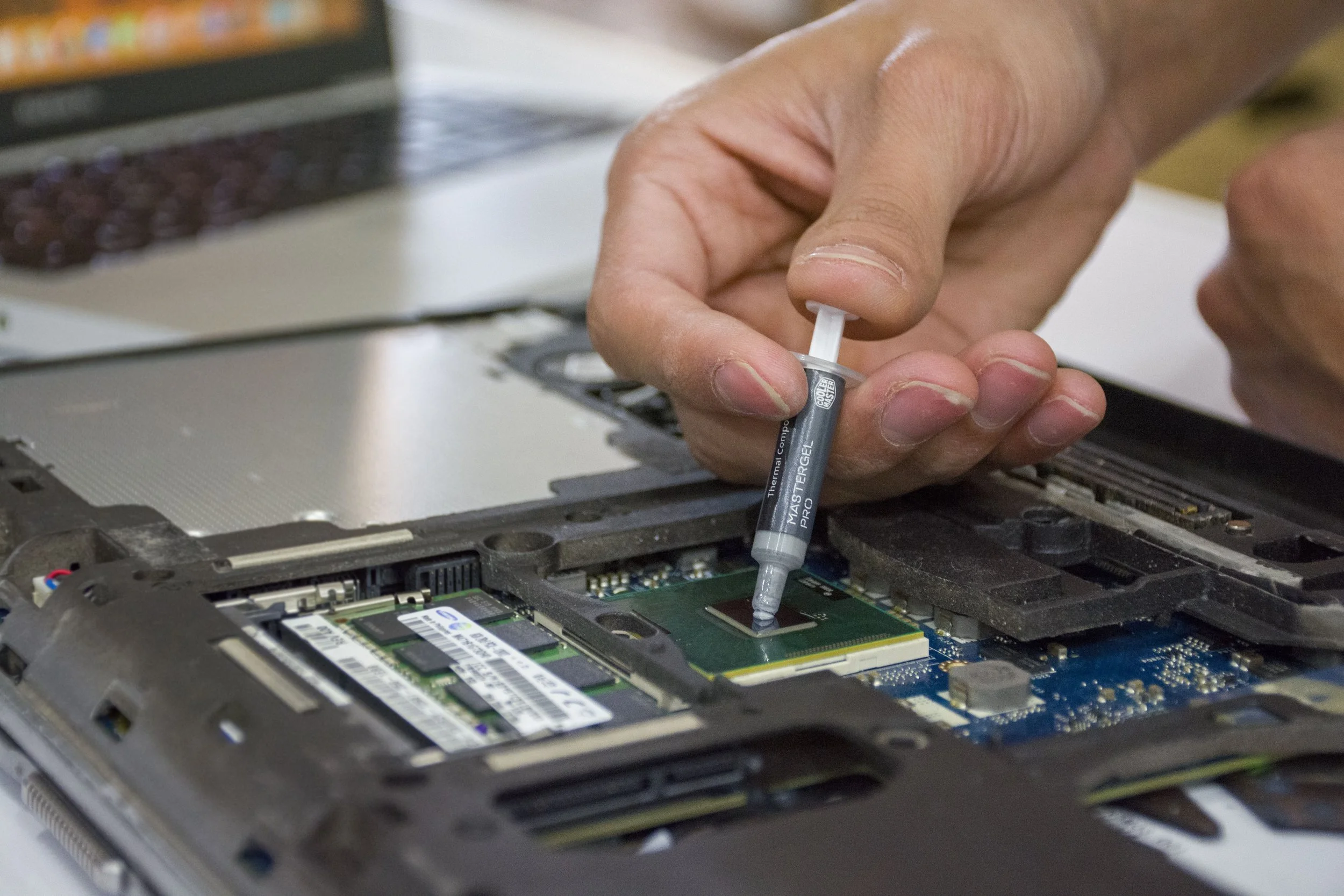
What Break-Fix Really Means for Your Business
The break-fix model is exactly what it sounds like. You operate your technology until something stops working, then you bring in help to repair it. On the surface, it seems cost-effective because you only pay when you need service. In practice, that surface logic hides a much larger problem.
When you only call for help after a failure, every issue has already done its damage by the time anyone looks at it. A failing hard drive does not announce itself politely. It crashes during a busy afternoon and takes hours of work with it. A creeping security gap does not wait for a convenient moment to be exploited. The break-fix model leaves you constantly responding to emergencies you never saw coming, and emergencies are always more expensive than prevention.
There is also a hidden incentive problem worth naming. In a pure break-fix relationship, your provider earns money when your technology fails. The healthier your systems are, the less they bill. That dynamic does not make anyone a villain, but it does mean your interests and your provider's interests are quietly pulling in opposite directions.
The True Cost of Reacting Instead of Preventing
Most businesses underestimate what reactive IT actually costs because the biggest expenses never show up on an invoice. The repair bill is the part you can see. The lost productivity, missed deadlines, and frustrated customers are the part you absorb without ever tallying.
Consider what happens during a typical outage. Work stops, but payroll does not. Your team sits idle while a problem gets diagnosed, parts get ordered, or a fix gets tested. Meanwhile, the trust your clients place in your reliability takes a quiet hit every time you have to explain why something is delayed.
These ripple effects add up quickly, and they hit some industries harder than others. The cost of unplanned outages is especially steep for organizations where every minute matters, as we explored in our look at the true cost of IT downtime for financial services firms. The lesson applies far beyond finance. Any business that runs on its technology pays a premium for treating IT as an afterthought.
Here are the costs that break-fix tends to hide from view:
Lost productivity while employees wait for systems to come back online
Emergency service premiums that are almost always higher than scheduled maintenance
Data loss when failures happen without recent backups in place
Reputational damage when clients experience delays or interruptions
Compounding problems where small ignored issues grow into major failures
Staff burnout as your team scrambles through repeated crises
Each of these is harder to measure than a repair invoice, but together they often dwarf the cost of the repair itself.
How Proactive Monitoring Changes the Equation
Proactive monitoring works on a fundamentally different principle. Rather than waiting for something to fail, it continuously observes the health of your systems and flags trouble while it is still small enough to handle quietly. A server running hot, a backup that did not complete, a drive showing early signs of failure, all of these get caught before they turn into outages.
This is the core of what good proactive monitoring and management delivers. Your technology is being watched even when your office is empty, and problems are addressed during off hours so your team rarely notices anything happened at all. The goal is not just faster repairs. The goal is fewer repairs and almost no surprises.
There is also a relationship shift that comes with this model. When your IT partner is paid to keep your systems running rather than to fix them when they break, your interests finally align. A healthy network becomes the shared objective, and that changes how every decision gets made.
The Practical Advantages You Feel Every Day
The benefits of proactive monitoring are not abstract. They show up in the rhythm of your workday, in the calm of a team that is not constantly firefighting, and in the predictability of your budget. Here are the advantages that make the strongest case for moving away from break-fix.
1. Predictable Costs Instead of Surprise Bills
With proactive monitoring, IT becomes a planned expense rather than an unpredictable one. You know what you are paying each month, which makes budgeting straightforward and removes the dread of an emergency invoice arriving at the worst possible time. That predictability lets you plan for growth instead of bracing for disasters.
2. Less Downtime and Fewer Disruptions
Because issues get caught early, the failures that normally interrupt your day simply do not happen as often. Maintenance occurs on a schedule, frequently after hours, so your team can stay focused on their actual work rather than waiting for systems to recover.
3. Stronger Security Posture
Continuous monitoring is also a security advantage. Threats and vulnerabilities are spotted and addressed quickly rather than discovered after a breach. Pairing monitoring with strong defenses, like the protections covered under network and cybersecurity services, gives you layered protection that reactive support can never match.
4. Better Long-Term Planning
A provider watching your systems over time builds real knowledge of how your technology performs. That insight informs smart decisions about upgrades, capacity, and replacements before aging equipment becomes a problem, which is exactly the kind of guidance IT project support is built to provide.
5. A True Partner in Your Success
Perhaps the most valuable advantage is the relationship itself. A proactive partner knows your environment, anticipates your needs, and treats your technology like the critical asset it is. That ongoing attention turns IT from a recurring headache into a quiet competitive edge.
Together, these advantages explain why proactive monitoring is not just a nicer experience. It is a better business decision.
Making the Transition Without the Headache
Switching from a reactive model to a proactive one can feel daunting, but it is far more manageable than living through another year of unexpected outages. The transition usually begins with a thorough assessment of your current environment so your provider understands exactly what they are working with.
From there, the right partner will identify the gaps that put you most at risk and prioritize them sensibly. This is where a structured starting point matters, and a careful network audit gives everyone a clear picture of what is healthy, what is fragile, and what needs attention first. The point is not to overwhelm you with technical detail. It is to build a plan that moves you from constant reaction to steady reliability.
A good provider also makes sure your foundations are sound, including how your data is protected. Reliable data backup and disaster recovery is a natural companion to proactive monitoring, because the goal is not only to prevent failures but to make sure you recover quickly on the rare occasion something does slip through.
Conclusion
The break-fix model made sense in an era when technology was optional. That era is over. When your business depends on its systems to serve customers, meet deadlines, and protect sensitive information, waiting for things to break is a gamble you keep losing without realizing it. Proactive monitoring changes the math by preventing problems, aligning your provider's incentives with your own, and turning IT into a dependable foundation rather than a recurring crisis.
If you are tired of bracing for the next outage and ready for technology that simply works, it is time to consider a proactive approach. Reach out to our team to talk through what continuous monitoring could look like for your business, and discover why prevention will always beat repair.
Ready to take the guesswork out of your IT? Contact Lone Cypress Technology today and let's build a plan that works for your business.